




The Complete Guide to the Check a Trade Logo: Meaning, Protection, and Best Practices
The check a trade logo has become one of the most recognizable trust signals in the UK home improvement and trade services sector. Whether you’re a tradesperson aiming to strengthen your brand, a homeowner trying to verify credibility, or a marketer responsible for compliance, understanding this logo’s purpose and rules is essential. This comprehensive guide explores the meaning, usage standards, verification processes, legal considerations, branding strategies, and practical measures for both professionals and consumers seeking clarity. By the end, you’ll know exactly how the check a trade logo affects trust, marketing performance, and customer decision-making.
Understanding the Purpose of the Check a Trade Logo
The check a trade logo represents a symbol of verification, accountability, and trustworthiness within the home services industry. It signals that a business has undergone checks, agreed to standards, and commits to transparent customer feedback. For homeowners, this emblem helps reduce uncertainty and gives them a shorthand way to filter reliable trades from unverified operators.
For businesses, the check a trade logo offers powerful brand credibility that can dramatically increase inquiries and conversion rates. A single trusted symbol often communicates more than paragraphs of marketing copy, making it a pivotal asset in a competitive market. It also acts as a visible reminder to maintain high service standards because customer ratings feed directly into the platform’s profile.
The Evolution of Trust Branding in the Trades Industry
Trust marks have existed for decades, but the construction and trades sectors lacked a unifying symbol before platforms emerged to fill the gap. As digital marketplaces grew, so did the need for a clear, authenticated visual sign that reassured customers in seconds. This shift laid the groundwork for the check a trade logo becoming widely recognized.
Today, the logo stands as a reflection of transparency and digital word-of-mouth. Because online reviews shape nearly every purchasing decision, the presence of a recognizable trust badge can make or break a customer’s choice. The continued evolution of the trades industry has only sharpened the importance of visual trust indicators like this one.
Why Homeowners Look for the Check a Trade Logo
For homeowners, the risk of hiring an unreliable tradesperson can be costly and stressful. The check a trade logo helps simplify screening by offering a symbol backed by checks, reviews, and ongoing accountability. It provides an immediate way to validate that a business takes customer satisfaction seriously.
Many homeowners also rely on this logo because it reduces the cognitive load of comparing multiple unknown businesses. Instead of reading extensive background information or verifying trade memberships manually, they can use the emblem as an instant credibility filter. This makes the hiring process faster and more confidence-driven.
How the Check a Trade Logo Influences Customer Decision-Making
Psychologically, trust symbols shorten decision time, reduce hesitation, and increase perceived professionalism. When a potential customer sees a familiar badge, they associate it with previous positive experiences or public reputation. The check a trade logo works the same way—its familiarity gives prospective customers a sense of safety before they even read a review.
Furthermore, the emblem affects how customers interpret the surrounding marketing material. Websites, vans, and business cards featuring the check a trade logo are evaluated more favorably because the logo enhances all other presented information. In marketing research, this is known as the endorsement effect, where credibility symbols elevate overall brand perception.
Who Is Allowed to Use the Check a Trade Logo and Why It Matters
Use of the check a trade logo is strictly reserved for businesses that are current, active, and approved members of the Checkatrade platform. Only those who have passed initial checks and maintain profile standards have the right to display it. This preserves the integrity of the trust signal and ensures customers can rely on it.
Unauthorized use dilutes the meaning of the logo and misleads customers who assume the business has been vetted. Because of this, enforcement is significant, and non-members found using the logo may face warnings or legal actions. The system protects both consumers and honest tradespeople who work hard to maintain their reputation.
The Verification Process Behind the Logo
Although specifics vary over time, the check a trade verification process typically involves identity checks, trade references, insurance validation, and public feedback monitoring. These steps help ensure a reliable baseline of accountability. The logo becomes a public indicator of having passed these checks.
Ongoing monitoring is equally important. The check a trade logo is not a one-time credential; businesses must continue meeting standards, responding to feedback, and maintaining insurance. By linking the emblem to an active status, the platform ensures the logo remains meaningful rather than outdated or static.
How Consumers Can Confirm a Genuine Check a Trade Logo
While the logo itself is designed to be recognizable, consumers should verify it by cross-checking the business on the Checkatrade website. Any genuine member displaying the check a trade logo should have a corresponding profile with reviews and service history. It takes seconds to confirm, reducing the risk of misrepresentation.
If a logo appears on a van, flyer, or website without a matching profile, this may indicate unauthorized use. Consumers should be proactive when something feels off—genuine members are easy to find online. Verifying the logo helps maintain the ecosystem of trust that the platform depends on.
Misuse and Legal Consequences of Displaying the Logo Illegally
Using the check a trade logo without authorization is considered misrepresentation. In many cases, it violates consumer protection laws and intellectual property regulations. Because the emblem influences consumer decision-making, misuse is taken seriously and can result in legal action.
Businesses caught improperly displaying the logo may receive cease-and-desist notices or face reputational damage if customers report them. Being publicly associated with misleading practices can have long-term consequences. For many tradespeople, the risk of losing trust far outweighs any short-term benefit of unauthorized use.
Branding Benefits of Using the Logo Correctly
When used legitimately, the check a trade logo serves as a powerful brand enhancer. Its recognition across the UK builds familiarity and helps establish credibility faster than most marketing tools. Businesses often see higher conversion rates simply by including the logo in their materials.
Correct usage also signals professionalism and ethical behavior. Customers appreciate transparency and feel more confident choosing a business that openly aligns with verified trade standards. Over time, the consistent presence of the check a trade logo can become a central part of a brand’s identity.
Strategic Placement of the Logo for Maximum Impact
Placement matters almost as much as the logo itself. Businesses often display it on their website header, homepage, and footer to reinforce trust during every stage of the customer journey. Including it near call-to-action buttons can also help increase conversion rates.
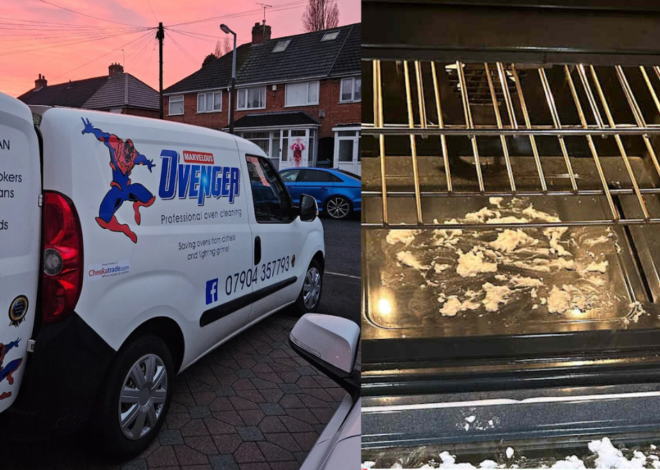
Offline materials such as van decals, uniforms, and printed brochures benefit greatly from the logo as well. Because many customers first encounter a business offline, showing the check a trade logo on physical materials bridges the gap between in-person impressions and digital credibility.
Digital Marketing Best Practices Involving the Logo
Online, visual hierarchy and brand trust play significant roles in user experience. The check a trade logo should be displayed in high resolution and sized proportionally to avoid appearing distorted or unprofessional. This ensures that customers associate it with quality rather than sloppy branding.
In digital advertising, the logo can enhance click-through rates when used ethically and within platform rules. However, businesses must avoid overusing it or presenting it in misleading contexts. Transparency should guide all digital applications of the check a trade logo to preserve consumer trust.
Common Misconceptions About the Check a Trade Logo
Some traders assume that simply joining the platform automatically grants them the right to display the logo everywhere, but usage must follow brand guidelines. The logo can’t be altered, recolored, or stylized beyond official specifications. This preserves brand consistency across the sector.
Another misconception is that the logo guarantees perfect service quality. While it signifies checks and accountability, customers must still review profiles, ratings, and feedback. The check a trade logo is part of a trust-building ecosystem, not an all-encompassing guarantee.
The Logo’s Role in Competitive Positioning
In crowded markets, trust symbols help differentiate businesses even when services and prices are similar. Displaying the check a trade logo instantly communicates verification, which competitors without the emblem cannot match. This subtle advantage often influences browsing customers.
Beyond competition, the logo positions businesses within a community of accountable tradespeople. Clients interpreting this association often favor verified providers, increasing market share for members. Thus, displaying the check a trade logo can be a strategic edge in both digital and offline environments.
The Psychology of Trust Badges in Home Services
Home improvements often involve high stakes—financially, emotionally, and logistically. Consumers naturally gravitate toward providers who reduce uncertainty. Trust badges like the check a trade logo satisfy this need by appealing to risk aversion and familiarity.
When customers recognize a logo, their perceived safety improves significantly. This psychological effect has been studied in e-commerce, UX design, and service branding. The check a trade logo taps into these same cognitive shortcuts, making it one of the most influential trust symbols in the UK trades market.
How the Logo Compares to Other Industry Trust Marks
Many trust badges exist across the trades sector, including certifications, industry-specific accreditations, and independent quality schemes. Each carries unique value, but few have the broad consumer recognition of the check a trade logo. Its brand visibility gives it a distinct advantage.
That said, combining the logo with other legitimate accreditations can create a layered trust effect. When customers see multiple reputable symbols, their confidence increases further. Used strategically, the check a trade logo can anchor this multi-layered trust approach.
A Comparative Overview of Common UK Trust Symbols
Below is a structured table comparing the check a trade logo with other widely recognized trust indicators:
| Trust Symbol | Primary Purpose | Consumer Recognition Level | Verification Process Strength |
| Check a Trade Logo | Broad trade verification and reviews | Very high | Strong, ongoing monitoring |
| Gas Safe Register | Gas engineering safety certification | High | Mandatory, regulated checks |
| NICEIC | Electrical competence certification | High | Rigorous technical assessment |
| TrustMark | Government-endorsed quality scheme | Moderate to high | Framework-based vetting |
| FMB (Federation of Master Builders) | Builder trade association | Moderate | Membership checks and standards |
This comparison highlights how the check a trade logo functions within a larger ecosystem of trust badges and trade certifications.
Real-World Example of the Logo’s Impact on Business Growth
Consider a small plumbing company that struggled to differentiate itself in a competitive region. After joining the platform and properly displaying the check a trade logo on its vans, website, and invoices, the business experienced a measurable increase in inquiries. Customers frequently cited the logo as the reason they felt confident getting in touch.
This scenario reflects a broader trend: trust signals accelerate customer decision-making. The logo’s familiarity reduces hesitation and reinforces the perception of professionalism. When combined with positive reviews, its impact becomes even more significant.
Incorporating the Logo Into Your Long-Term Branding Strategy
A long-term branding strategy requires consistency, clarity, and recognizable visual identity. Including the check a trade logo as part of your broader brand system can strengthen trust over time. It becomes a cue that reminds customers of your verified status at every touchpoint.
Businesses should integrate the logo into key brand assets without overshadowing their core identity. The emblem supports your brand; it shouldn’t replace it. Overuse can appear desperate, while balanced use signals confidence and professionalism.
Guidelines for Ethical and Effective Use
Ethical use means displaying the logo accurately, truthfully, and within official guidelines. This includes using approved colors, maintaining proper proportions, and avoiding misleading placements. Ethical branding strengthens the credibility that the check a trade logo represents.
Effective use involves placing the emblem where customers naturally look for trust indicators. This might include near service guarantees, testimonials, or contact forms. When placed intelligently, the logo enhances key touchpoints and supports conversions.
The Role of Storytelling in Enhancing Trust Symbols
Storytelling can deepen the impact of trust badges by giving them human context. For example, tradespeople can share stories about how joining the platform improved their standards or motivated them to develop better customer communication. This reinforces the meaning behind the check a trade logo.
For customers, these stories help transform the emblem from a static image into a signal of real commitment. Authentic storytelling adds emotional weight to the trust already established by the logo itself. As one industry expert says, “A trust mark gains its power not just from checks, but from the stories behind the professionals who earn it.”
Red Flags Consumers Should Watch For
Consumers should be aware of signs that may indicate misuse. Blurry, distorted, or off-color versions of the logo can signal unauthorized use. Inconsistent brand presentation is often a giveaway. Customers should always verify suspicious usage by searching the business on the Checkatrade platform.
Another red flag is a tradesperson who hesitates when asked for their profile link. Genuine members are typically proud to share their verified status. A lack of transparency suggests caution, especially when the check a trade logo seems misplaced or out of context.
Ensuring Logo Compliance in Multi-Channel Campaigns
Marketing across multiple channels—websites, advertising, social media, print—requires cohesive integration of brand assets. Businesses should create a unified system that ensures the check a trade logo appears consistently across formats. This reinforces trust and eliminates confusion.
Centralized brand guidelines help keep all materials compliant. Whether a freelancer, designer, or agency handles your marketing, everyone should follow the same rules. This prevents accidental misuse and protects the business from potential penalties.
The Connection Between the Logo and Customer Reviews
Customer reviews are at the core of what the check a trade logo represents. The emblem signals that a business is open to public feedback and willing to be held accountable. This transparency plays a major role in how customers interpret the logo’s value.
For tradespeople, maintaining high-quality service is essential because reviews influence their visibility on the platform. The check a trade logo, therefore, acts as both a marketing tool and a reminder of the importance of consistent customer satisfaction.
How Technology Enhances Logo Verification
Modern platforms use automation, data tracking, and user reporting tools to detect misuse of brand assets. This digital enforcement helps ensure that only legitimate businesses display the check a trade logo. Technology makes it harder for fraudulent operators to mislead customers.
Likewise, consumers benefit from easy online lookup tools. Searching for a business by name can instantly confirm whether the logo is being used correctly. These innovations strengthen the credibility of the emblem in an increasingly digital world.
The Future of Trust Symbols in the Trades Sector
As customer expectations evolve, trust symbols will continue to play an essential role in service industries. The check a trade logo may become even more influential as verification technology improves and consumer awareness grows. Enhanced digital features will likely strengthen its presence in online marketplaces.
Future trends suggest that trust badges may integrate with smart home technology, digital contracts, or real-time customer satisfaction metrics. The check a trade logo could become part of a broader ecosystem of automated trust-building tools that offer unprecedented transparency.
Conclusion
The check a trade logo remains one of the most powerful trust indicators in the UK trades industry, bridging the gap between professional standards and customer confidence. It communicates credibility at a glance, helps businesses stand out, and provides homeowners with peace of mind. Understanding its meaning, proper usage, and verification process allows both tradespeople and consumers to navigate the market with greater clarity. As the sector continues to evolve, the check a trade logo will remain a cornerstone of trust, accountability, and professional integrity.
Frequently Asked Questions
What does the check a trade logo actually represent?
The check a trade logo represents verification, accountability, and active membership on the Checkatrade platform. It signals that a business has passed checks and is open to transparent customer reviews.
How can I verify that a business using the check a trade logo is legitimate?
You can verify legitimacy by searching the business name directly on the Checkatrade website. If the logo is authentic, the profile will appear, confirming the check a trade logo is used correctly.
Can a tradesperson display the check a trade logo if they are no longer a member?
No, former members cannot display the check a trade logo. Only current, active members have permission, and misuse can result in legal consequences.
Why do businesses benefit from using the check a trade logo?
Businesses benefit because the check a trade logo provides immediate credibility and increases customer trust. This often leads to higher engagement, inquiries, and conversions.
What should I do if I suspect someone is misusing the check a trade logo?
If you suspect misuse, verify the provider online and report the issue through the platform if necessary. Unauthorized use of the check a trade logo misleads consumers and violates guidelines.
SEO Title (70 Characters)
Check a Trade Logo: Meaning, Verification, Legal Use & Branding Guide
Meta Description (under 160 characters)
Learn the meaning, rules, and best practices for using the check a trade logo to build trust, avoid misuse, and strengthen your trade business branding.