






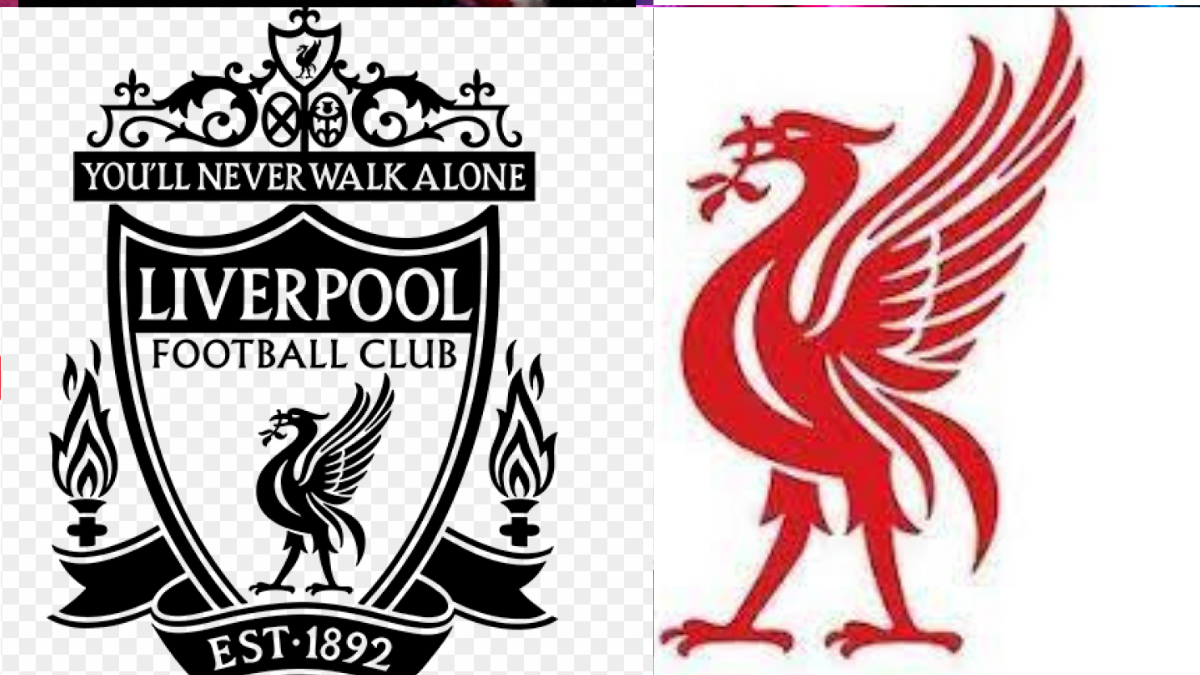
The Evolution and Meaning of the Liverpool Logo: History, Symbolism, and Modern Identity
The Liverpool logo is more than a football emblem—it is a cultural symbol recognized across continents, representing triumph, resilience, and a storied legacy. For supporters, the crest is a badge of identity; for designers and brand historians, it is a fascinating case study in visual heritage and sports branding. This comprehensive deep-dive unpacks every aspect of the Liverpool logo, from its origins and transformations to its role in shaping global fandom and brand equity. Whether you are a supporter, marketer, historian, or designer, this article provides the most complete guide to understanding how the logo became one of the most iconic symbols in world football.
The Origins of the Liverpool Logo and Its First Symbolic Components
The earliest version of the Liverpool logo emerged in 1892, centered around the legendary Liver Bird, a mythical creature that had long served as the guardian of the city. The bird’s inclusion reflected not only Liverpool’s maritime roots but also a sense of civic unity and regional pride. Even at its inception, the crest signaled that the new football club saw itself as an ambassador of its home city’s values and identity.
This modest early emblem was far simpler than the elaborate design fans associate with the modern crest. It consisted of the Liver Bird placed within a shield, echoing traditional European heraldry. The decision to adopt a proud, upright bird symbolized aspiration, discipline, and a distinct local character, long before the club rose to global prominence. Even in this early form, the Liverpool logo communicated clarity, heritage, and ambition.
How Industrial Liverpool Shaped the Club’s Visual Identity
Liverpool’s identity as a bustling port shaped the symbolism of the club’s imagery, including the Liverpool logo, through references to trade, resilience, and hard-working culture. The Liver Bird itself was linked to the Mersey Docks and the city’s commerce, grounding the club in the reality of its working-class origins. This imagery resonated deeply with supporters who saw in the club an extension of community pride.
As the city grew into an industrial powerhouse, the club’s crest became a quiet reflection of changing economic and cultural landscapes. The early versions of the logo may seem minimal from today’s perspective, but they carried deep symbolic weight. They served as an anchor to local identity, reinforcing the powerful bond between team and city. The growth of the city amplified the meaning of the crest, turning it into a recognizable symbol of unity.
The Liver Bird: A Mythical Guardian and Its Central Role in the Logo
The Liver Bird stands as the heart of the Liverpool logo, embodying the city’s folklore and serving as its visual signature. Though often described as a cross between a cormorant and an eagle, the bird’s ambiguity enhances its legendary status. In local mythology, two Liver Birds overlook the city from atop the Royal Liver Building—one facing the sea, the other the city. Together, they symbolize protection, vigilance, and prosperity.
The club’s choice to adopt this mythical figure created an immediate and meaningful connection to Liverpool’s cultural landscape. The Liver Bird made the crest more purposeful by linking football identity with civic lore. This deep mythological connection strengthened the emotional attachment supporters feel for the logo, which continues to operate as a living symbol of the city itself.
Early Crest Variations and Design Experiments Before the Modern Era
Before the modern badge emerged, the club experimented with various forms of the Liverpool logo, including versions that emphasized typography and shield shapes. Some early kits simply displayed the initials “L.F.C.” embroidered in minimal stitching, foregoing imagery altogether. These designs reflected the simpler branding conventions of the era and the limited production methods available to sports clubs at the time.
By the mid-20th century, crest variations began to appear more consistently on matchday materials, club publications, and eventually kits. Each version tested different visual priorities—some focused on ornate shield shapes, while others emphasized the bird alone. This period of experimentation paved the way for the stylistic maturity that later defined Liverpool’s modern crest. It demonstrated that the club was actively refining its visual identity in response to evolving expectations.
Why the 1980s Sparked a New Era of Logo Redesign
The 1980s marked a pivotal turning point for football branding worldwide, and the Liverpool logo was no exception. Commercialization, television broadcasting, and global exposure demanded clearer, more distinctive visual identities. Football clubs began to realize the importance of consistent branding, not only as a marketing tool but as a way to cement emotional connection with fans.
Liverpool responded by redesigning its crest to balance tradition with modern clarity. The Liver Bird remained central, but the use of bolder lines, clearer shapes, and improved typography helped make the logo more effective for mass broadcasting. As matches reached new international audiences, the crest needed to resonate instantly, and the club’s updated designs rose to meet this demand.
The Hillsborough Influence: Why the Eternal Flames Were Added
One of the most meaningful evolutions of the Liverpool logo came after the Hillsborough disaster of 1989. The tragic loss of 97 supporters changed the club forever, leading to the inclusion of two eternal flames on either side of the crest as a permanent tribute. These flames symbolize remembrance, unity, and collective grief, marking one of the most emotionally significant changes to any football crest.
The integration of the flames transformed the logo into a memorial emblem as well as a sporting symbol. It ensured that the memory of those lost would remain part of Liverpool Football Club’s identity for generations. For supporters, the flames are a constant reminder not just of tragedy, but of community solidarity. This addition represents the most human and heartfelt chapter in the crest’s evolution.
The Introduction of the Shankly Gates and the “You’ll Never Walk Alone” Banner
Another defining moment in the evolution of the Liverpool logo was the addition of the Shankly Gates, accompanied by the famous anthem line “You’ll Never Walk Alone.” Introduced in 1992 for the club’s centenary crest, this addition celebrated the connection between the club’s values and its legendary former manager Bill Shankly. The combination of gates and anthem solidified the club’s identity around community, unity, and collective purpose.
Including the anthem on the crest elevated the logo beyond mere symbolism. It became a narrative device that communicated the club’s philosophy—one built on support, loyalty, and emotional resilience. This incorporation reinforced the cultural significance of Liverpool FC as a club whose values are inseparable from its supporters’ spirit. The anthem line turned the crest into a message of encouragement and solidarity.
The Crest’s Role in Liverpool’s Global Expansion
As Liverpool grew into a worldwide sports brand, the Liverpool logo became one of its greatest assets. The global rise of the Premier League, combined with Liverpool’s history of European success, amplified the visibility of the crest across continents. Whether on jerseys, television broadcasts, or digital platforms, the logo became synonymous with competitive excellence and unwavering fan dedication.
International supporters often form their first connection with the club through its visual identity. A strong crest helps establish trust, recognition, and emotional resonance—especially for new fans discovering the club from afar. The spread of the logo across retail, media, and merchandising helped fuel Liverpool’s expansion into key markets, including Asia, North America, and Africa. The emblem became a global passport for storytelling, branding, and fan engagement.
Modern Minimalism and the Rise of the Standalone Liver Bird
Recent years have seen the club increasingly emphasize the standalone Liver Bird, used independently from the full Liverpool logo on kits and merchandise. This minimalist approach aligns with global design trends favoring simplicity, clarity, and recognizability. A single symbol can often deliver greater impact across digital environments, mobile screens, and small-format branding spaces.
By using the Liver Bird as a standalone icon, Liverpool strengthens both versatility and brand distinction. The simplified crest feels modern without abandoning tradition, appealing to younger fans while respecting heritage. This evolution reflects a broader trend in global sports branding, where clubs and teams adopt flexible design systems with multiple logo variations serving different contexts.
How Typography Shapes the Emotional Tone of the Crest
Typography plays a more subtle but powerful role in defining the Liverpool logo. The serif lettering used for “L.F.C.” signals tradition, seriousness, and heritage—qualities aligned with Liverpool’s identity as a historically successful and culturally significant football institution. Serif fonts also communicate stability and authority, which reinforces the club’s position within both English and European football.
The choice of typography affects how supporters worldwide perceive the brand. Curved terminals, strong bases, and balanced spacing help ensure the lettering remains readable at all scales. Over time, typographic refinements have made the crest more coherent, reinforcing its emotional and visual harmony. Typography, though often overlooked, is essential to the crest’s cohesiveness.
Color Psychology: Why Red Defines Liverpool’s Identity
Color has always been central to the Liverpool logo, with red serving as the club’s dominant visual signature. Red evokes intensity, passion, energy, and determination—a perfect match for the football philosophy that Liverpool embodies. The psychological impact of this color strengthens emotional attachment among supporters, who often describe the color as part of their identity and community.
The use of red also enhances the crest’s visibility in crowded sports markets, ensuring instant recognition. When paired with white or gold, the contrast reinforces clarity and vibrancy. In global branding contexts, red stands out as powerful, dynamic, and culturally universal, making Liverpool’s emblem both bold and culturally resonant.
Comparing the Liverpool Logo with Other Premier League Crests
Below is a table comparing the Liverpool logo with other major Premier League crests to illustrate differences in symbolism, style, and strategy.
| Club | Dominant Symbol | Style Approach | Emotional Theme | Brand Positioning |
| Liverpool | Liver Bird | Heritage + Modern Minimalism | Unity, resilience, identity | Global legacy brand |
| Manchester United | Red Devil | Bold + Iconic | Power, rivalry, dominance | Global mass appeal |
| Chelsea | Lion with Staff | Traditional Heraldry | Pride, royalty, stature | Elite heritage club |
| Arsenal | Cannon | Geometric + Streamlined | Precision, discipline | Modern technical leadership |
| Tottenham | Cockerel on Ball | Minimal + Symbolic | Elegance, tradition | Premium modern identity |
This comparison highlights how Liverpool’s emblem balances historical symbolism with adaptable modern design, maintaining branding strength while evolving with global trends.
The Role of the Logo in Liverpool’s Merchandise Strategy
The Liverpool logo is deeply embedded in the club’s merchandising ecosystem, from matchday kits and training gear to lifestyle apparel and collectibles. Its clarity and symbolism make it a powerful commercial asset, capable of carrying emotional connection across different product categories. Millions of fans proudly wear the crest because it acts as a visual link to community and belonging.
Licensing partners rely on the logo’s iconic status to produce high-demand merchandise that resonates globally. The evolution of the crest has also allowed the club to introduce premium editions, retro collections, and minimalist designs, each targeting different audience segments. This flexible branding strategy reflects how the crest serves both tradition and innovation.
How Digital Media Changed Logo Visibility and Fan Engagement
Digital media transformed how fans interact with the Liverpool logo, elevating its presence on mobile screens, social platforms, and broadcast graphics. As screens become smaller, logo clarity and scalability become essential. The club’s strategic emphasis on the simplified Liver Bird addresses this shift, ensuring that the symbol remains recognizable in digital-first environments.
Digital platforms also amplify emotional connection. Fans frequently engage with the crest through profile images, avatars, and fan-generated content, further expanding its symbolic footprint. In digital culture, the logo transcends traditional branding, evolving into an interactive symbol shared across global communities.
Insights from Designers: Why the Crest Balances Tradition with Modernity
Graphic designers often highlight the Liverpool logo as a model of effective visual evolution. It demonstrates how to honor heritage while embracing contemporary usability. “The best sports logos,” notes one branding strategist, “are those that evolve without losing their soul, and Liverpool’s crest does exactly that.” This perspective reflects the delicate balance the club maintains.
Design professionals frequently reference the club’s consistent use of curved framing elements, balanced negative space, and harmonious proportions. These design principles help ensure the crest remains visually stable across decades of modernization. As design trends shift, the club’s core identity remains intact and deeply recognizable.
Cultural Symbolism: What Makes the Logo So Emotionally Resonant
The cultural weight carried by the Liverpool logo extends beyond football. It symbolizes the city’s identity, the club’s history, and the emotional narratives shared by supporters worldwide. As a symbol, it has come to represent resilience, unity, and community spirit. Fans often describe the crest not just as a design but as a part of their personal identity.
This emotional depth explains why supporters feel a strong attachment to even subtle changes. The crest encapsulates generational memories—historic victories, iconic moments, triumphs, tragedies, and shared passion. The cultural symbolism ensures the logo’s staying power in global sports culture.
The Logo in European Nights and Global Broadcast Iconography
Some of the most iconic moments in football history feature the Liverpool logo illuminated on European nights, from Istanbul to Madrid. These matches, often watched by hundreds of millions, give the crest immense global exposure. The sight of the badge under stadium floodlights has become part of the visual language of European football.
Broadcasters rely on the crest to identify and distinguish clubs quickly during transitions, graphics, and overlays. When displayed alongside other elite European club emblems, Liverpool’s logo stands out thanks to its mix of historic symbolism and modern clarity. Its visual impact reinforces the club’s sense of grandeur and tradition.
How Opponents and Rivals Perceive the Liverpool Crest
Rival supporters often see the Liverpool logo as a symbol of dominance, legacy, and competitive threat. The crest’s association with decades of success and passionate support communicates confidence and prestige. Even neutral fans recognize its symbolic weight in high-stakes matches.
For rival clubs, the crest signals strategy, resilience, and competitive identity. The emotional reactions it provokes are part of football culture, where crests serve not only as symbols of support but also of rivalry. Liverpool’s logo has become a psychological marker in the competitive landscape of football.
Misconceptions About the Logo and Their Clarifications
A common misconception is that the Liver Bird is a widely used symbol across different clubs, but in reality, its usage is tightly connected to Liverpool’s heritage. Another misunderstanding concerns the eternal flames—some assume they reference general remembrance, but they specifically commemorate the Hillsborough tragedy. These clarifications emphasize the Liverpool logo’s deep symbolic specificity.
Some fans also believe the logo has changed frequently, but its transformations have been measured and deliberate. The core elements have remained consistent, preserving the club’s emotional and cultural roots. Understanding these misconceptions reveals the careful stewardship behind the crest’s evolution.
The Future of the Liverpool Logo and Long-Term Brand Direction
Looking ahead, the Liverpool logo is likely to continue evolving in tandem with digital trends, merchandising needs, and international market expansion. However, major changes are unlikely, given the crest’s revered status and its integral cultural meaning. Subtle adjustments to enhance digital scalability or merchandising flexibility are more probable than major redesigns.
The future may include more frequent use of modular logo systems, allowing different versions for lifestyle products, esports divisions, and youth programs. Yet the Liver Bird will remain central. The club’s brand strength lies in its continuity, emotional resonance, and decades of heritage, ensuring that the crest remains one of the most respected symbols in global football.
Conclusion
The Liverpool logo is far more than a football club emblem—it is a cultural icon shaped by history, community, triumph, and remembrance. Its evolution reflects the growth of the club, the values of the city, and the emotional stories of millions of supporters. From the mythical Liver Bird to the eternal flames and the modern minimalist adaptations, each element contributes to a crest that resonates across generations. The logo stands as a powerful symbol of unity, identity, and heritage, making it one of the most iconic and meaningful symbols in global sport.
Frequently Asked Questions
What does the Liver Bird on the Liverpool logo represent?
The Liver Bird represents the city’s maritime heritage and has become a symbol of protection, identity, and unity. It remains the central and most iconic part of the Liverpool logo.
Why are there flames on the Liverpool logo?
The eternal flames on the Liverpool logo honor the 97 victims of the Hillsborough disaster, serving as a permanent memorial and symbol of remembrance for supporters.
Was the Liverpool logo redesigned recently?
The full crest remains consistent, but the standalone Liver Bird has been emphasized in recent years. This modern adaptation allows the Liverpool logo to scale effectively across digital platforms.
Why does the full Liverpool logo include the Shankly Gates?
The Shankly Gates were added to mark the club’s centenary and symbolize the club’s values. The gates reinforce the historical and cultural depth behind the Liverpool logo.
Is the Liverpool logo trademarked?
Yes, the Liverpool logo is fully trademarked for both commercial and legal protection. This ensures its proper use across merchandise, media, and global brand assets.